

Inspection of welding
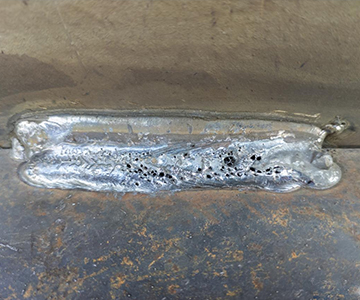
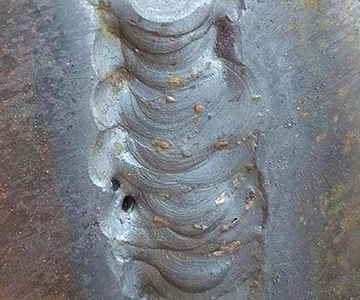
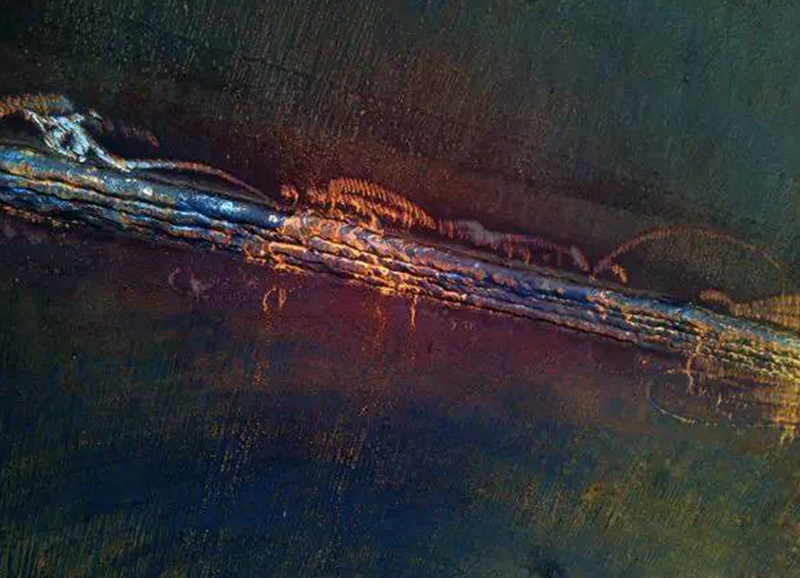
1. Check appearance Appearance inspection is generally based on naked eye observation, sometimes with 5-20 times magnifying glass for observation. Through the appearance inspection, the surface defects of the weld can be found, such as edge biting, welding nodules, surface cracks, pores, slag inclusion and welding penetration. The dimensions of the weld can also be measured using a weld detector or template. 2. Non-destructive inspection Inspection of slag inclusion, porosity, cracks and other defects hidden in the weld. At present, the most common use is to use X-ray inspection, as well as ultrasonic inspection and magnetic inspection. X-ray inspection is the use of X-rays to photograph the weld, according to the negative image to determine whether there are internal defects, the number of defects and types. Then according to the product technical requirements to assess whether the weld is qualified. The ultrasonic beam is emitted by the probe and transmitted to the metal. When the ultrasonic beam reaches the metal-air interface, it refracts and passes through the weld. If there is a defect in the weld, the ultrasonic beam is reflected to the probe and is received, and then the reflected wave appears on the fluorescent screen. According to the comparison and identification between these reflected waves and normal waves, the size and location of the defect can be determined. Ultrasonic flaw detection is much simpler than X-ray, so it is widely used. However, ultrasonic inspection often can only be judged by operating experience, and can not leave a basis for inspection. For internal defects that are not deep from the surface of the weld and very small cracks on the surface, magnetic detection can also be used. 3. Water pressure test and air pressure test For pressure vessels requiring tightness, water pressure tests and/or air pressure tests must be carried out to check the tightness and bearing capacity of the weld. The method is to inject 1.2-1.5 times the working pressure of water or gas equal to the working pressure (mostly with air) into the container, stay for a certain time, and then observe the pressure drop in the container, and observe whether there is leakage outside, according to which the weld can be assessed.